

Thai PBS’s reporter Patthraporn Tunngarm describes how she uncovered a graft scandal involving the government-supported school lunch programme. Its exposure has led to a nation-wide probe.
By Patthraporn Tunngarm
In the course of my three plus years of covering the Akara Resources Public Company’s Chatree gold mine operations in the lower northern province of Phichit, I made countless visits to the province, including three visits this year, and talked to quite a few people physically affected by impacts from pollutants allegedly leaked into the environment.
I also managed to befriend several local people who, of late, approached me and asked whether I was interested to dig into alleged corruption concerning the free school lunch programme for kindergarten and primary education schools in Phichit.
The programme is funded by the Department of local Administration Promotion. Each student was allocated a 20-baht budget a day for lunch at school, but the management of the fund is under the responsibility of the director of each school who uses the budget to buy raw materials to prepare food for the children and to arrange for cooks to prepare the meals.
My journalistic instinct was suddenly aroused. How could I refuse such an offer? But then I was not sure how much information I could get to make a story out of it. But it was worth a trial anyway.
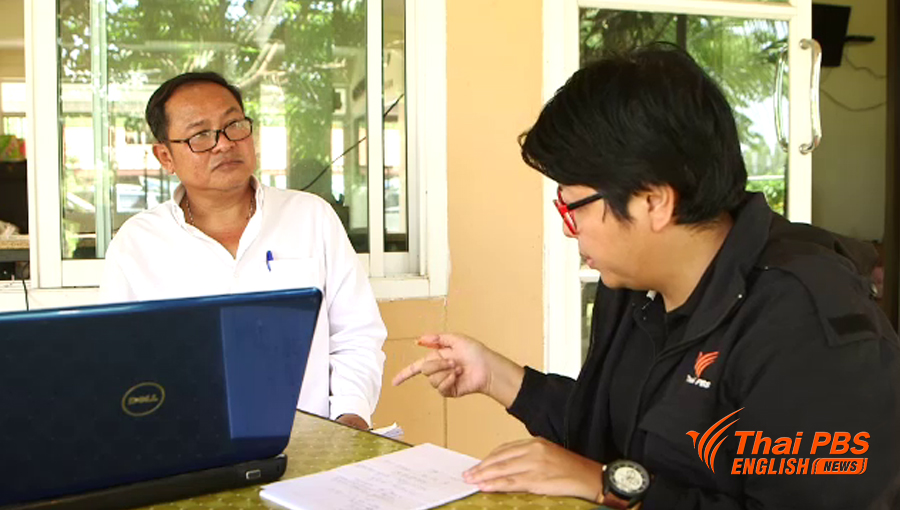
Without a second thought, myself and my colleague then headed for Taparn Hin District township to meet the potential ”whistle blower”, a Mr Tattham Sritha, a deputy director of a school in the district.

An interview was conducted with Mr Tattham who exposed an impressive account of what he alleged as stealing from the children.
He cited, for an example, the purchase of raw materials to prepare lunch for the children at a school on June 5-9 last year. There were 569 students in the school, including 166 kindergarten children and 403 students from Prathom 1-6.
According to the purchase list of June 5, 50 kgs of “pla krai” fish meat were bought at 90 baht a kg, but actually there were only 20 kgs and 30 kgs short.
There were more suspected irregularities. On June 8, the list showed 50 kgs of long bean were bought at 30 baht a kg, but there were only 15 kgs to prepare food for the kids and 35 kgs went missing without reason. Also on the same day, 60 kgs of cabbage were bought at 30 baht a kg, but 50 kgs went missing.
Mr Tattham who was then put in charge of checking the vegetables and meal which were bought each day insisted that nothing were shown to him to be checked during the June 5-9 period last year. But when he complained to the school director, he was curtly told to just quit his job to oversee the inventory.
“Just imagine how much money was involved. It was not just 100 grammes of pork which went missing which could be understandable. But 30 kgs of pork went missing each day. Vegetables were even worse,” said the deputy director.
But Thai PBS team of investigative reporters found out that it was not just about the missing raw materials which did not match with the figures shown in the purchase lists of each day, the prices of almost every item of product bought from the local cooperative which was appointed by the school to procure products for the school were inflated as shown in the receipts of the cooperatives dated May 6-18 last year.
Thai PBS exposure of suspected corruption in the school lunch programme of a school in Taparn Hin district of Phichit has led to an investigation by the National Anti-Corruption Commission’s office in Phichit after two complainants filed complaints with the office.
Mr Natthavuth Songpradit, head of the NACC’s Phichit office, said that his officials had already questioned eight traders as witnesses who claimed that they didn’t sign the receipts when they accepted payments from the school.
He said officials were checking whether the signatures in the receipts were fabricated or not, adding that about nine officials might be implicated in the alleged corruption.
Taparn Hin municipal administration also conducted its own probe and would summon officials concerned for questioning. When asked about the probe by Thai PBS, the school director declined committee, insisting that everything he did was above board.
In the aftermath of Thai PBS exposure, the director-general of the Department of Local Administration Promotion sent an urgent circular to all provincial governors to tighten up their oversight of school lunch programme in more than 1,600 schools and over 19,000 nurseries under the department’s jurisdiction.
The governors were also told to open space for parents to get involved in the checking of materials bought to prepare lunch for school children to ensure that the food they ate are safe, healthy and adequate.